
|
Eager Space | Videos by Alpha | Videos by Date | All Video Text | Support | Community | About |
|---|

Welcome to eager space...
Every few months I ask my subscribers/viewers/supporters for questions that they would like me to discuss and put my take on those topics in a video.
This is the 6th edition of spaceflight topics.
This time, I took the top 10 questions that showed up in comments and then a few extra questions from channel members and a couple that I just decided I wanted to answer.
I'd start with this video, though it's a bit out of date
https://www.youtube.com/watch?v=mVhhwjVlNGA
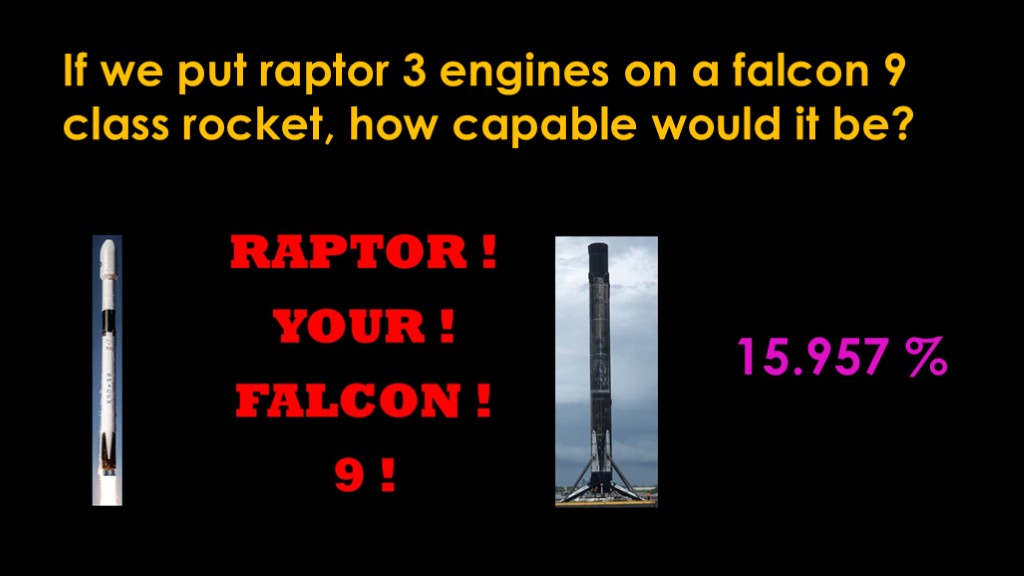
Raptor your Falcon 9.
The main issues are that the raptors are just too powerful for a rocket that size - you want the engines sized appropriately for the rocket. And I don't think 9 raptors would fit as the nozzles are too big.
You could go with a smaller number - perhaps 3 - but then you probably can't land the thing because even at the lower thrust a single raptor is just too powerful.
And you would have to rework the design of the stage because metholox rockets need bigger fuel tanks than kerolox ones.
As for capability, it would be a 15.957% better in terms of delta v if you trust my calculations, and you probably shouldn't.
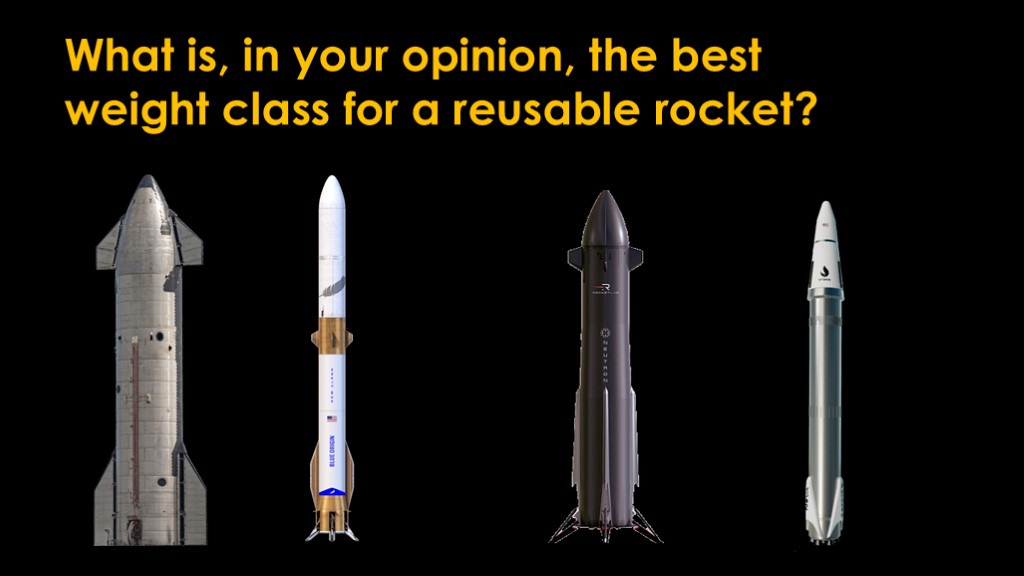
What is, in your opinion, the best weight class for a reusable rocket? Too big and you get diminishing returns from making it reusable, maybe even reversing into higher prices. Too small and you invest a lot of money into your system and add a ton of technical complexity for minimal savings. What's the sweet spot for price?
The usual question for designing a rocket is "what are you going to do with it?" - what market are you trying to serve.
If you want to launch small satellites, Falcon 9 is a decent size, but if you want to launch big starlink V3 satellites, it's too small.
Each company has a different idea on how to make that tradeoff. Starship has a giant payload, New glenn is a bit smaller, Neutron is still smaller, and Stoke's Nova is the smallest of them all.
No general answer. It's all about the tradeoffs...
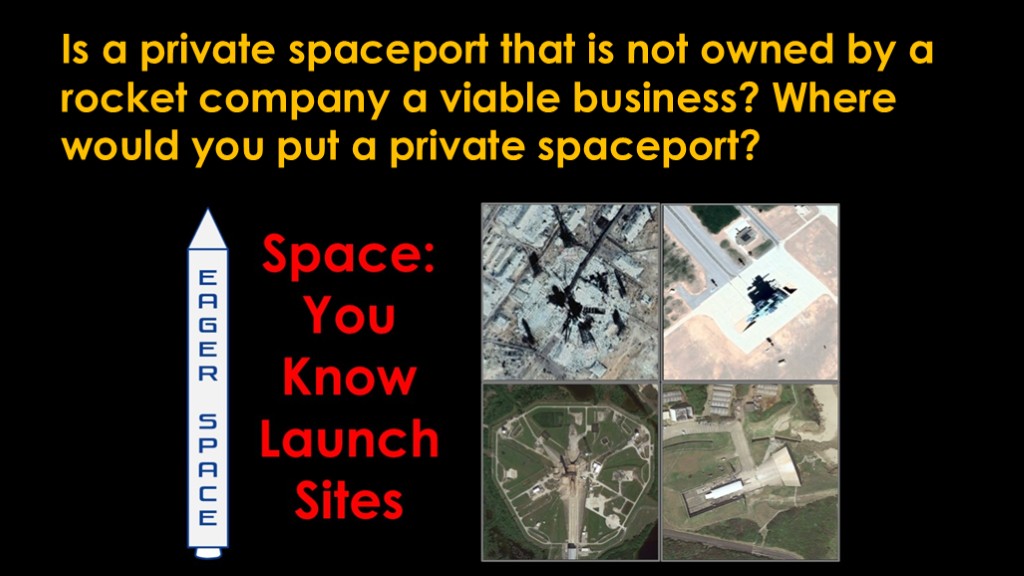
https://www.youtube.com/watch?v=VjgCYOvgsPc
Here's a video that the topic in some detail.
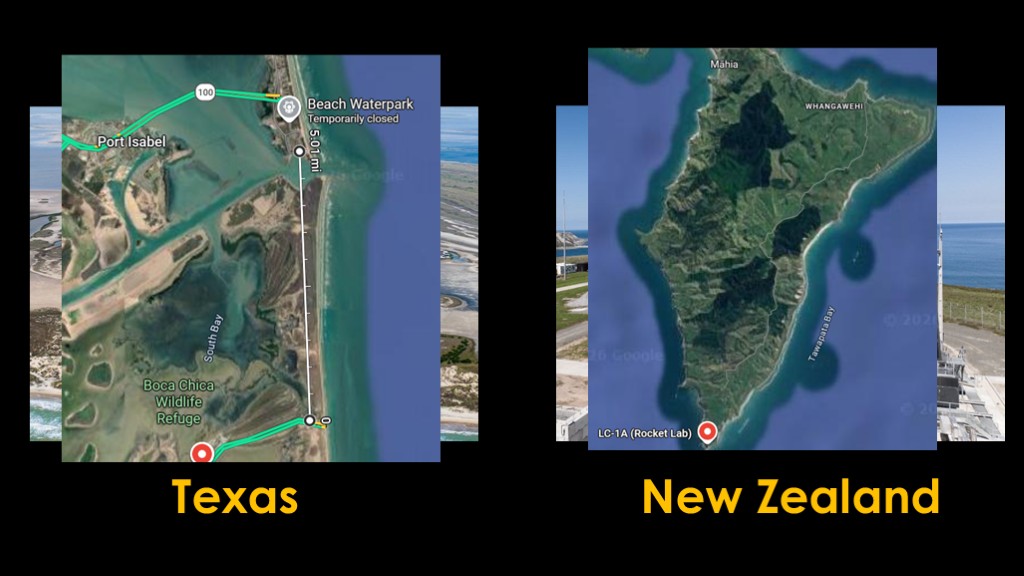
It depends on where you want to launch from. SpaceX and Rocket lab created their own launch sites, at Boca Chica in Texas and New Zealand. It was relatively easy for Rocket Lab as they had a motivated government and their launch site is a remote peninsula on the north island, with pretty much nothing closer than 8 miles to the launch pad.
SpaceX's Boca Chica launch site is near a sea shore and 5 miles from some very expensive seaside real estate on South padre island. They have a good relationship with the local and state government but building a new launch site in the US is very difficult.
Neither of those aren't open to other companies.
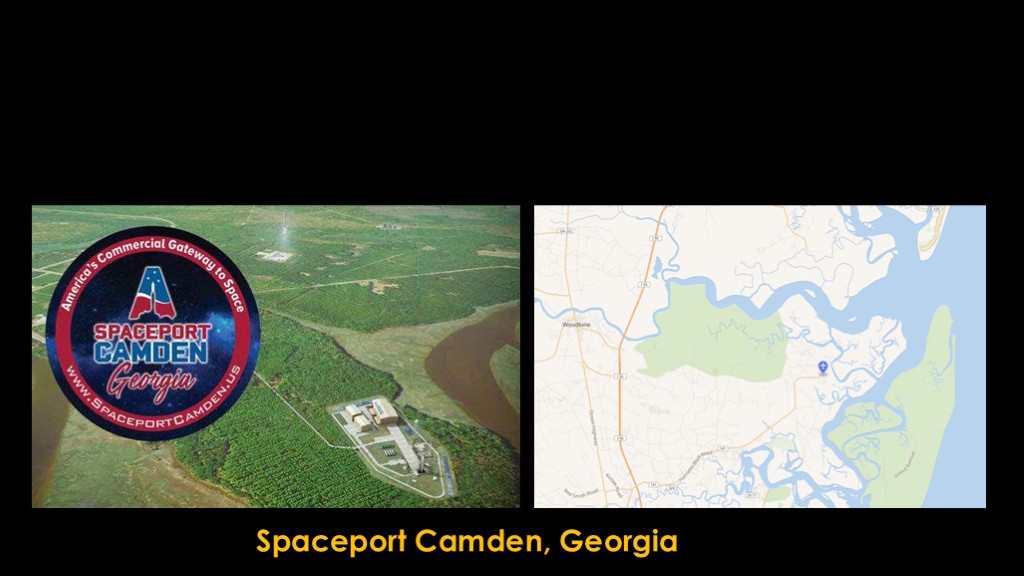
I know of two examples of trying to do what you propose...
In 2012 in Camden country Georgia, the joint development agency voted to "explore developing an aero-spaceport facility", using a site that had been considered as a NASA launch site in the 1960s.
Like Cape Canaveral, the site is next to a national seashore and the proposed flight path would overfly inhabited areas.
In March 2022, the project was rejected by Camden county voters in a referendum, where 72% voted to halt the spaceport project.
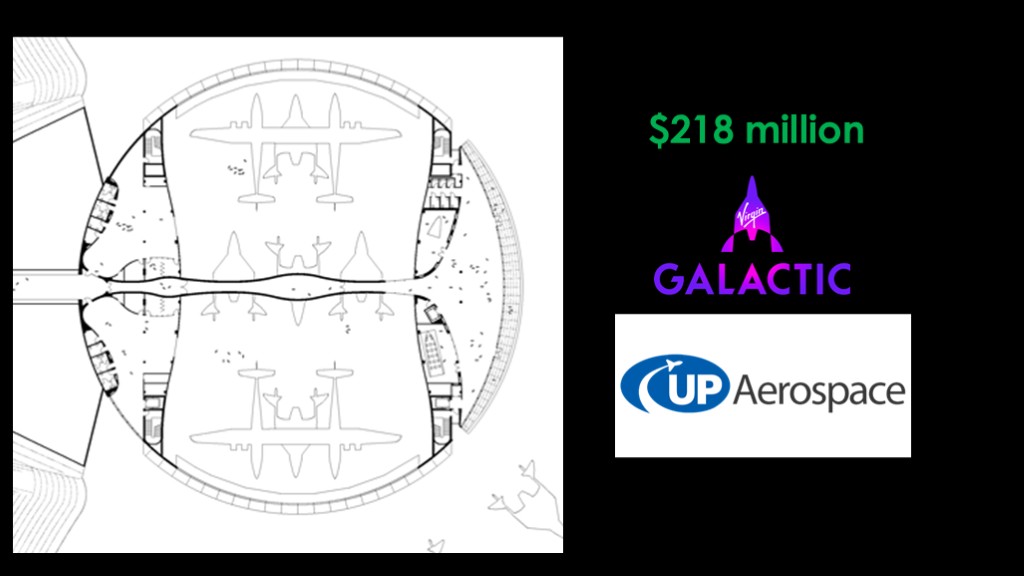
The second attempt was successful, creating Spaceport America in New Mexico.
The state of New Mexico and local taxpayers spent $218 million to create a spaceport in the middle of the New Mexico desert. It is mostly a large hanger, sized for virgin galactic vehicles, with a small public viewing area on the right.
Virgin Galactic has flown out of there and may fly again if they finish their delta class vehicle. With Blue Origin's "step back" on new shepard for two years - and the likely result that it is actually cancelled - they would have the suborbital tourism market to themselves.
UP Aerospace has a launch site located about half a mile from the spaceport building that they use for suborbital launches. I'm assuming they use some of the office and hangar space in the main building.
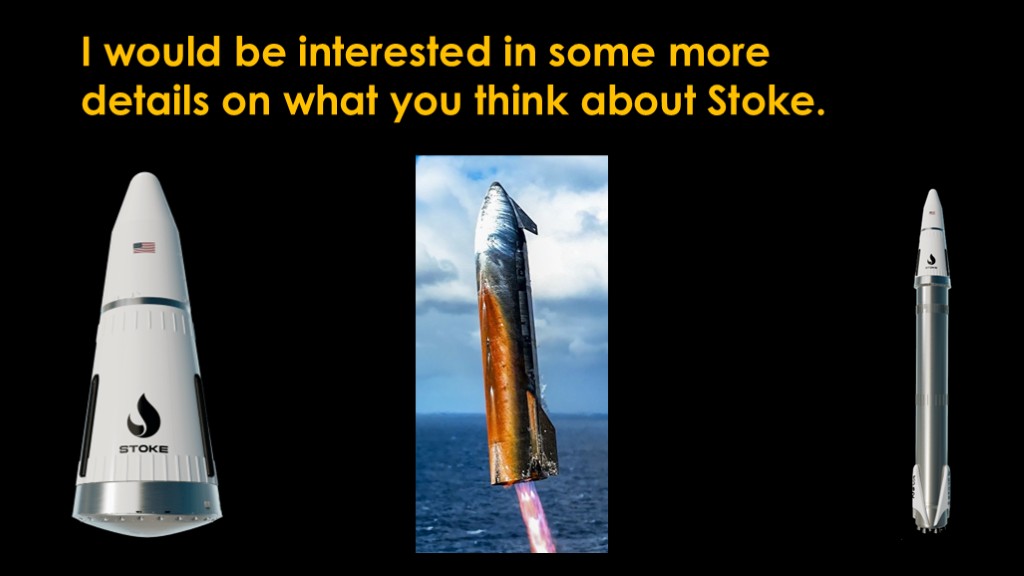
I would be interested in some more details on what you think about Stoke. In your "Which Rocket Reigns Supreme" you talk about how your opinion on them had improved, and that you thought they had bitten off an appropriate amount of technical challenge. Do you still think this, and do you still believe they have a chance to compete for launches?
I don't really have much to add to what I've said in the past about Stoke.
It's all going to depend on whether they can develop their second stage technology and how much payload it will cost them. There's a lot to like in metallic heat shield systems over tile ones because you don't have the issues of trying to keep the tiles attached and they should be lower maintenance, but remember that atomic oxygen in the upper atmosphere eats everything as we saw from the starship metallic tile experiments.
What I'm looking for is simple. I'm looking for hardware in flight test. Hoping to see that soon...

I wrote a big answer to this question but things have moved quickly since than and I don't think that they've settled down yet.
My current answer is "way more than I expected", and the important part is that it appears that he has the backing of at least the authorization side of congress, the one that tells NASA what to do. We won't know about the appropriations side until later and congress has told NASA to do something and then allocated little money to accomplish that multiple times in the past, so that is still an open question.
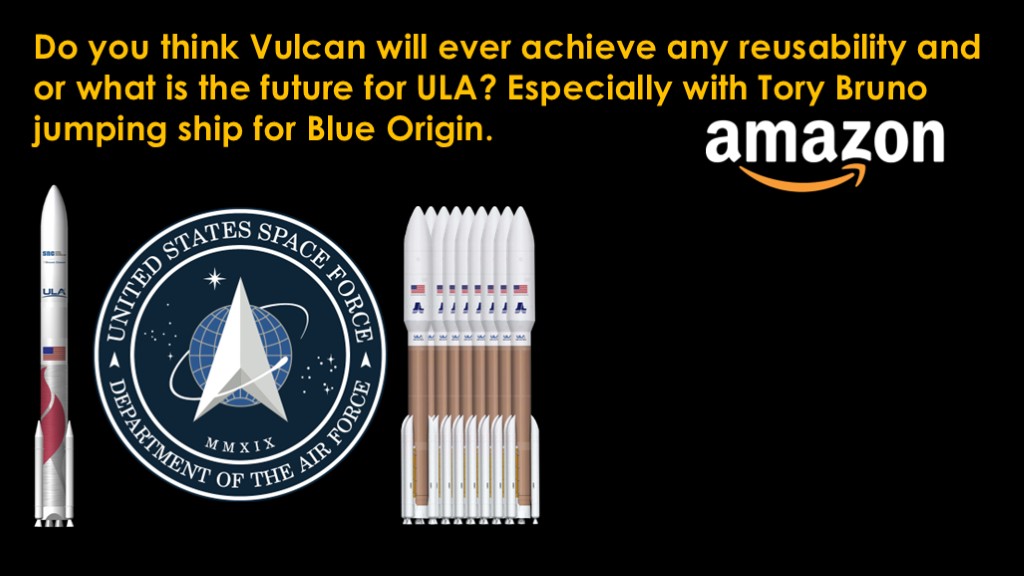
I am utterly confused by ULA the past few years.
In 2020, they won a bid to launch national security space payloads - the biggest department of defense launch contract - on their upcoming Vulcan rocket, but since Vulcan wasn't flying yet, they included Atlas V as a backup option.
Then, one year later, they sold all 9 remaining Atlas V launches to Amazon for their Kuiper (now Leo) constellation. The department of defense has not surprisingly been unhappy with this decision as Vulcan slipped many years.
They decided to piss off their bread-and-butter customer - the department of defense - when they sold every last Atlas V to Amazon rather than using them to launch NSSL payloads, as they promised.
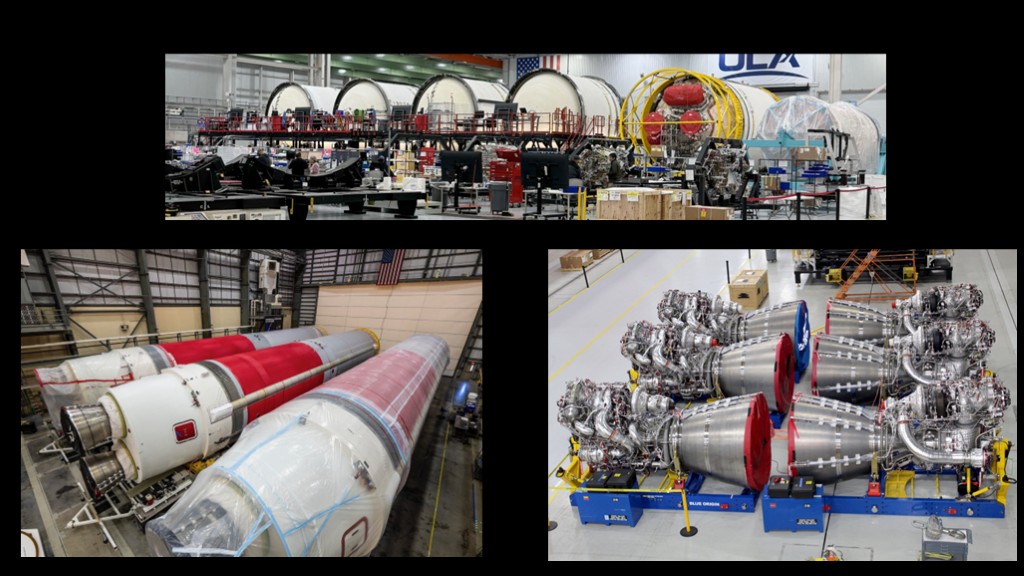
They supposedly have plenty of Vulcan airframes and BE-4 engines available, but they just are not flying them. Like pretty much every other company with a new rocket, they have been overoptimistic about their flight rate, but to go from 2 flights in 2024 to only 1 flight in 2025 is not a promising pattern, and that single flight was 6 months ago.
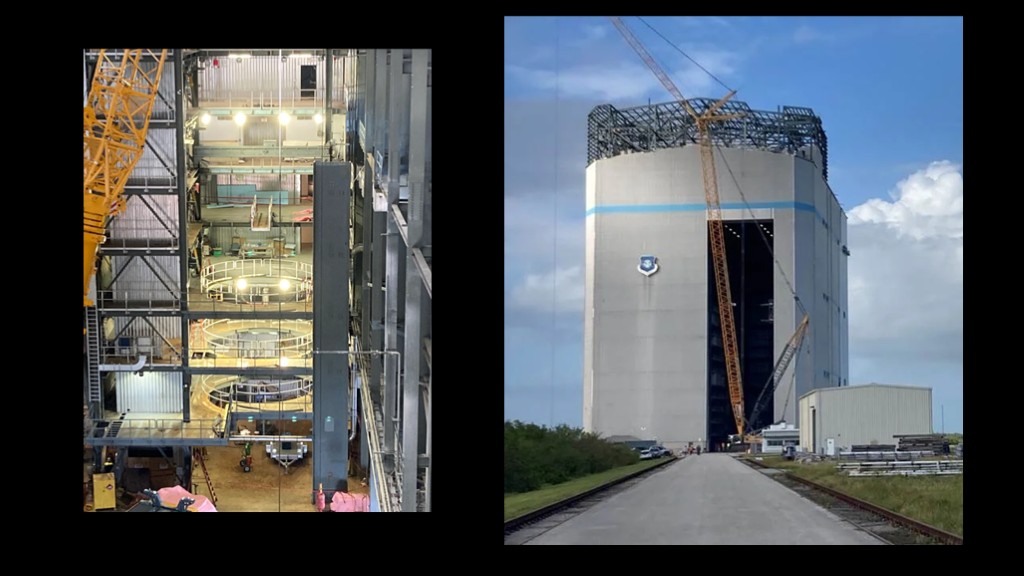
They do have issues with trying to fly both Atlas V and Vulcan from the same pad, and changes to allow them to do integration operations more quickly are just coming on line now.
But Vulcan was scheduled to fly in 2021 and they knew they would want to fly both Vulcan and Atlas V. Construction always takes time but this just seems slow.
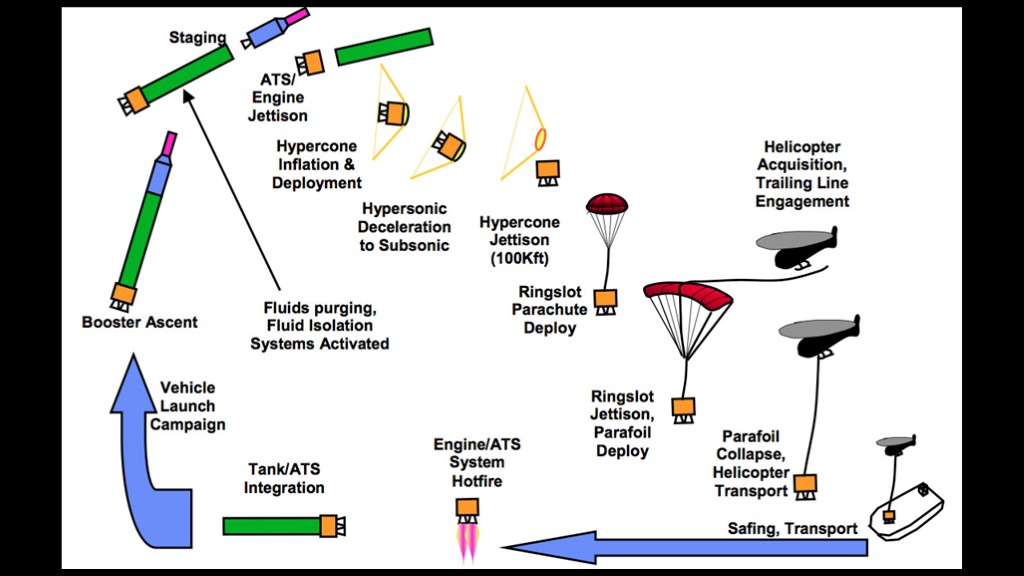
As for SMART reuse, it was always a long shot because it's just not a very exciting architecture. You save the engines and that's useful, but the amount of work you need to do to get them flying again is considerably more than the architectures that reuse the whole booster.
If they become the main launcher for Amazon Leo or some other constellation, that could give them enough business to make it worthwhile.
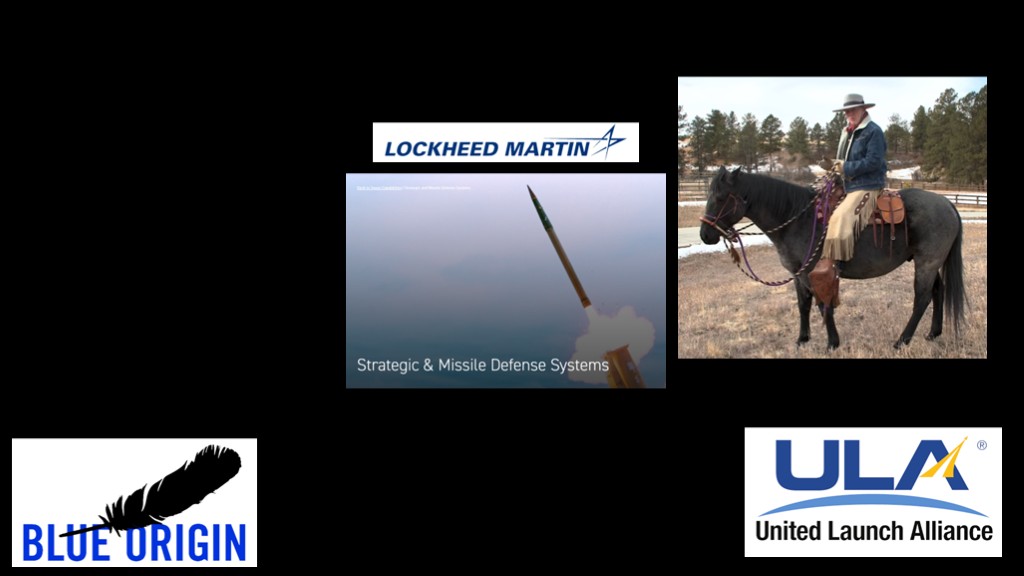
Late in 2026, Tory Bruno and the rocket horse Indigo trotted over to a new home at Blue Origin, where he will be in charge of a newly formed "National security group" at Blue.
Many of us know Bruno only through his work at ULA, but he had a significant career at Lockheed Martin, where he worked on missile programs and was the vice president of Strategic and Missile Defense systems before he left. That experience plus his experience working with NSSL on launch will be very useful for Blue.
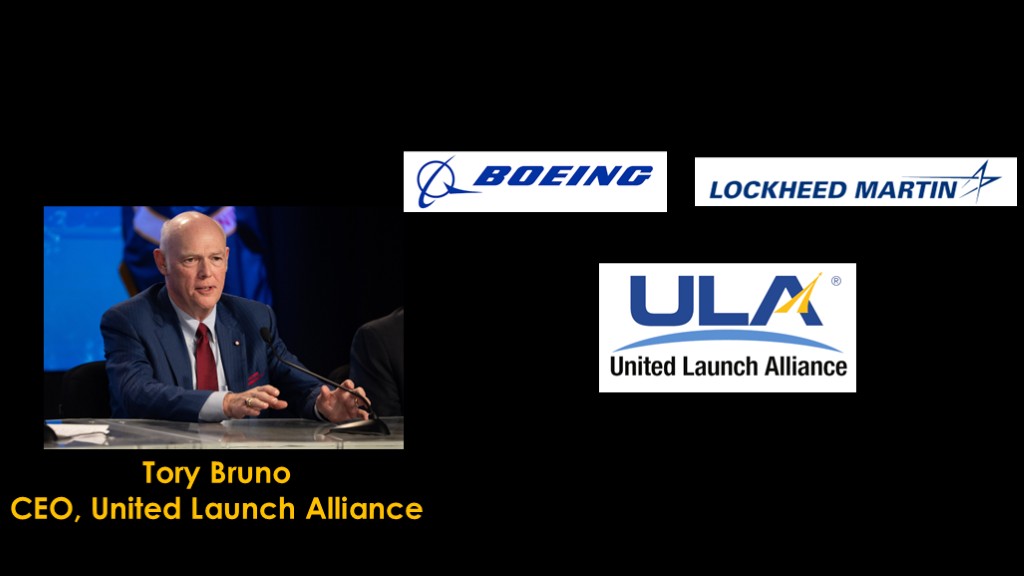
Tory Bruno was the CEO of ULA and therefore in charge.
But not really. ULA is co-owned by boeing and Lockheed martin, and that means Bruno didn't have a free hand to take ULA where he wanted to take it - he had to convince both Boeing and Lockheed martin to buy into future plans, and both of them have broader concerns.
My guess is that there's something weird going on at ULA related to the co-owners and what Bruno wanted to do to speed things up and he finally decided it wasn't worth the hassle.
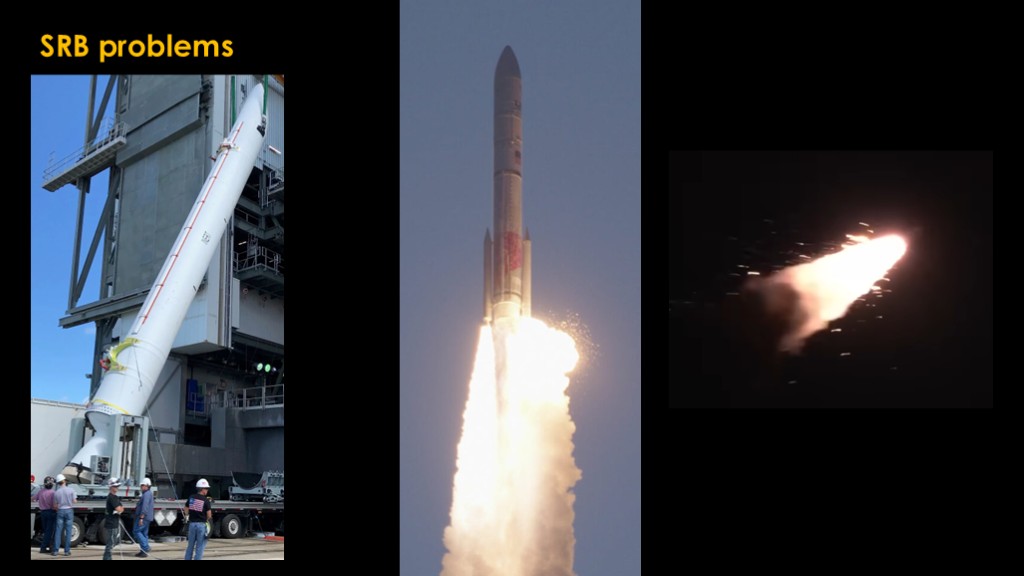
And on top of whatever else has been going on, ULA has had issues with the GEM63XL solid rocket boosters they buy from Northrop Grumman.
They had a booster nozzle problem on their second flight in October of 2024, and then another nozzle issue on the fourth flight in February of 2026. Vulcan is currently grounded until they can figure out what is causing these issues.
For the conservatively designed rocket from a company with a long history of success, Vulcan has not been going well. Not well at all.
You can call me Eager.
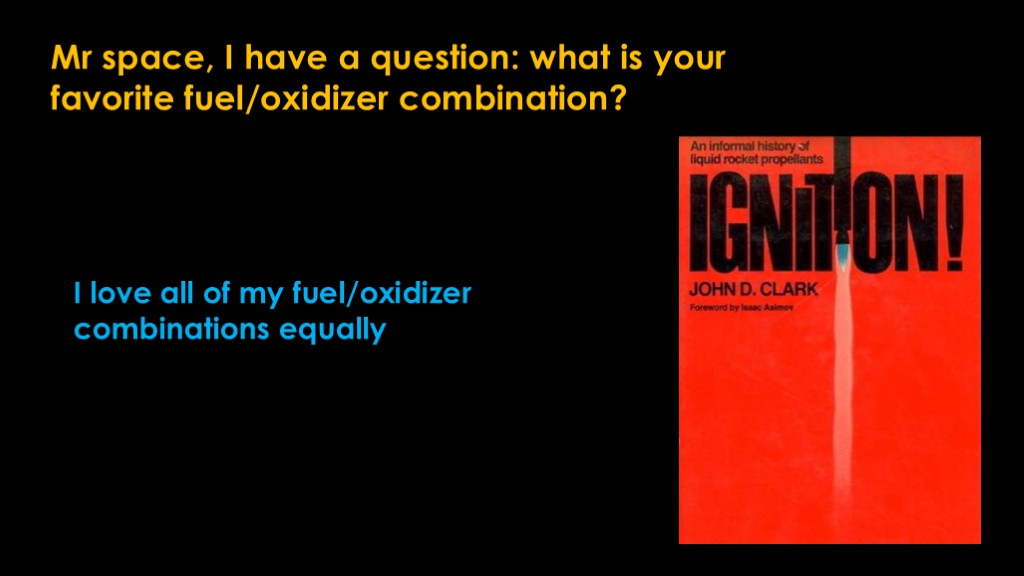
I love all of my fuel/oxidizer combinations equally.
I do recommend John D. Clark's excellent and highly entertaining book "ignition!", which you can find for free online.
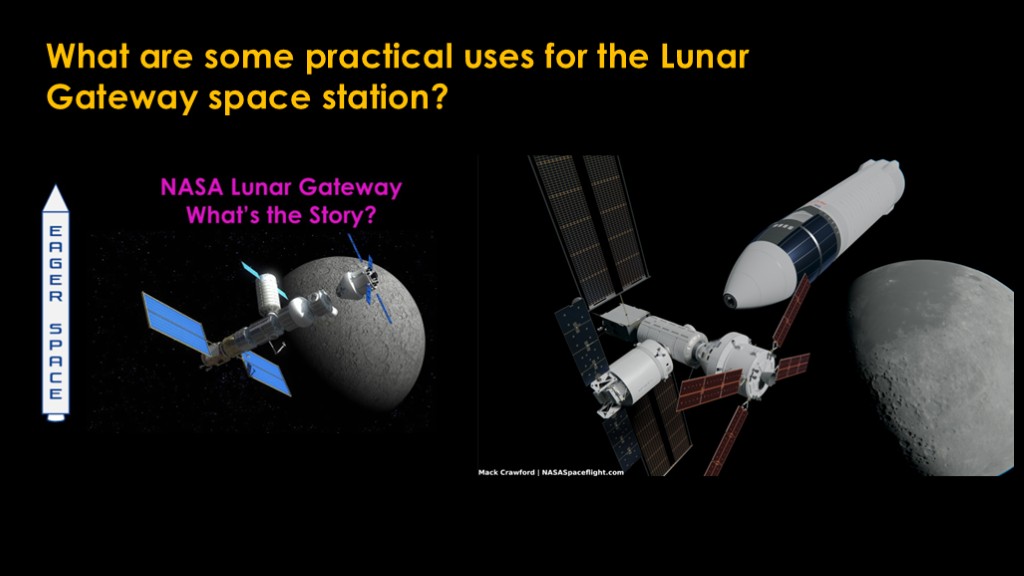
I did a video a few years ago, but I'll give you the quick answer.
https://www.youtube.com/watch?v=r--2qy7FRJs
There aren't any practical uses.
You can do science on it but you would be happier with dedicated probes - you don't want your schedule to be tied to Artemis astronaut flights. Maybe you can do some experiments more cheaply - flying to ISS is a lot easier than launching payloads yourself - but I don't think that's a significant benefit.
If you want to do that sort of experiment, build a small probe and either just launch it directly with SLS or send it on one of the landers and have them toss it out near the moon for you.
Gateway can hold astronauts but only for short periods and it's really cramped, and - right now - the only way to get there is an Orion on SLS.
It looks comically small when you think of a starship connected to it, and even Blue Moon is pretty big.
It exist purely for political reasons. It keeps Johnson spaceflight in the space station business and gives a reason for SLS Block 1B to exist.
Here's a video for you to watch.
https://www.youtube.com/watch?v=lv_OmnO5y3E
Unless you are trying to do something unique and innovative - like Stoke with their plan for second stage reuse - you are mostly just wasting your money. The existing companies have all the advantages. They have their factories and launch sites built, they have contracts that are bringing in revenue, they have economies of scale
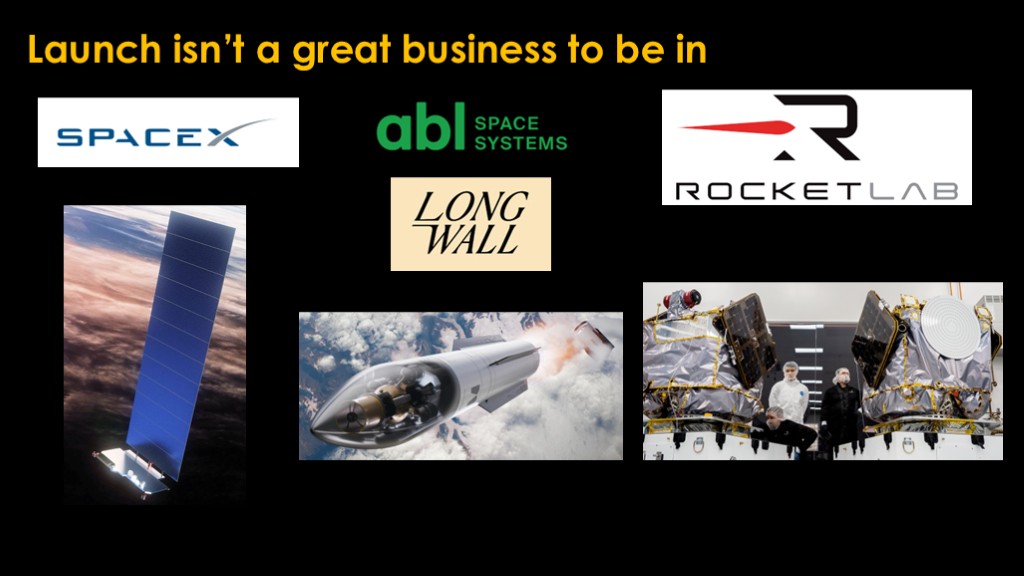
And launch isn't a great business to be in because it's hard to differentiate. Pretty much everybody can launch into LEO so you are fighting based on schedule and price. It's pretty much a race to the bottom.
SpaceX built a groundbreaking commercial launcher and then pivoted towards starlink and they are now a communications company that happens to launch rockets.
Rocketlab was a small company working on the small electron rocket, but they bought into space systems and that part of their business generates more money than their launch services. Together, the two make them a one stop shop for companies who want to be in space.
Abl abandoned their RS1 launch vehicle, rebranded to "long wall" - which I unfortunately think sounds like a Chinese company - and are now focusing on missile defense and hypersonics.
Firefly is working on their new medium launch vehicle, but they have landed their blue ghost vehicle on the moon and are working on the Elytra (El-i-tra) orbital transfer vehicle.
ULA is one of the few pure launch companies and we can see how well that's working for them.
I don't see much chance of relativity being successful. They are competing against Falcon 9 and Neutron. Why would customers want to choose them over the alternatives?
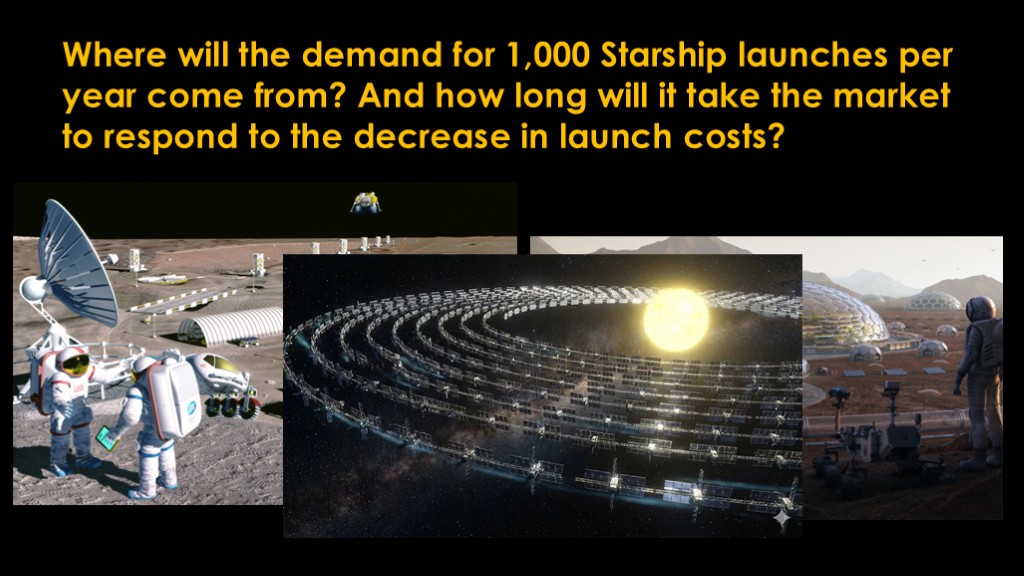
There's clearly not an existing market. Moon and Mars settlement is one possibility.
Mega data center constellations are another idea.
Neither of these are near term, so 1000 launches per year is purely speculative to me.
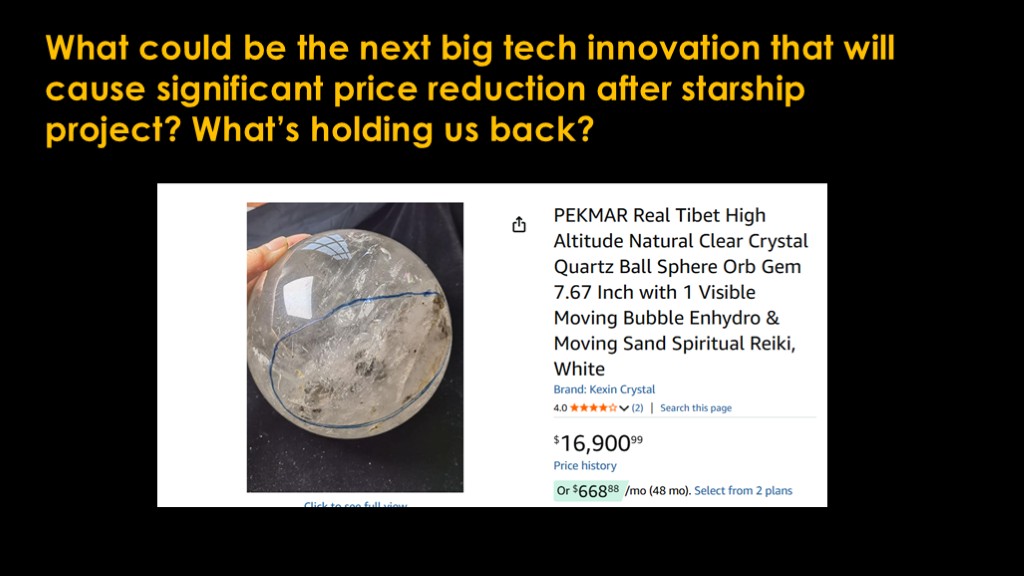
I've been waiting for one of my supporters to buy me a real crystal ball from Tibet but there haven't been any takers.
Lacking that, I don't have any real insight.
I assume you're talking about launch...
I don't see any big tech innovations on the horizon. Stoke's model might end up being better than Starship's, but it probably won't be a huge difference.
The launch market will be driven by people willing to spend money to put stuff into space, and that will mostly depend on there being useful markets there.
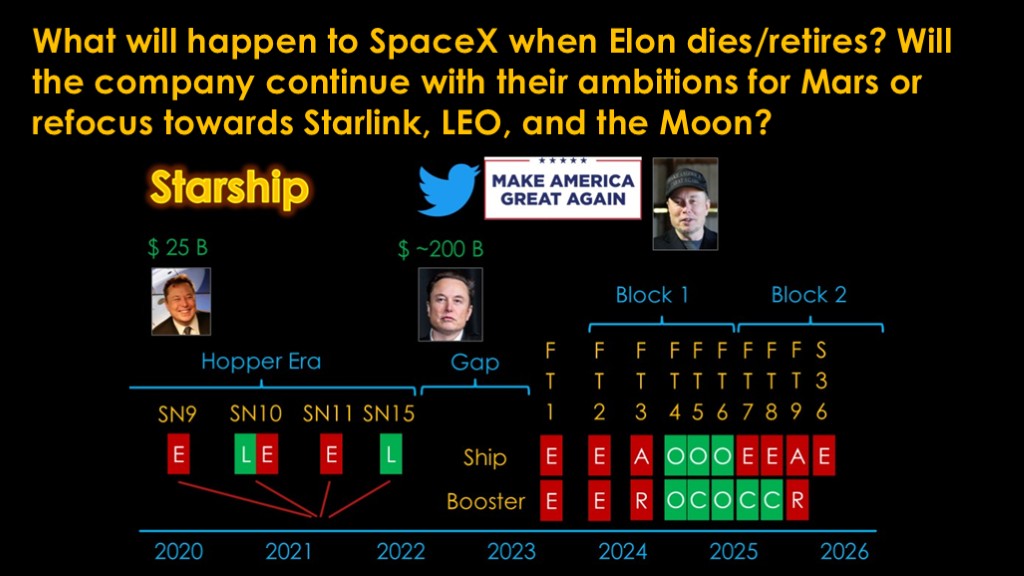
This is a significant question, especially with the recent mergers and the upcoming IPO.
I made this chart for my "what would falcon 9 do?" video
https://www.youtube.com/watch?v=cd0TNQooM_E
It shows that the time where Elon was off doing other stuff - Twix and political stuff - during starship development Is just before the issues with block 2
I therefore theorize that - at least for starship - Elon is a required component of the development process that SpaceX uses. If that's right, then we should rightly be concerned with not only Elon getting older but him getting distracted with AI, orbital data centers, and any of his other interests.
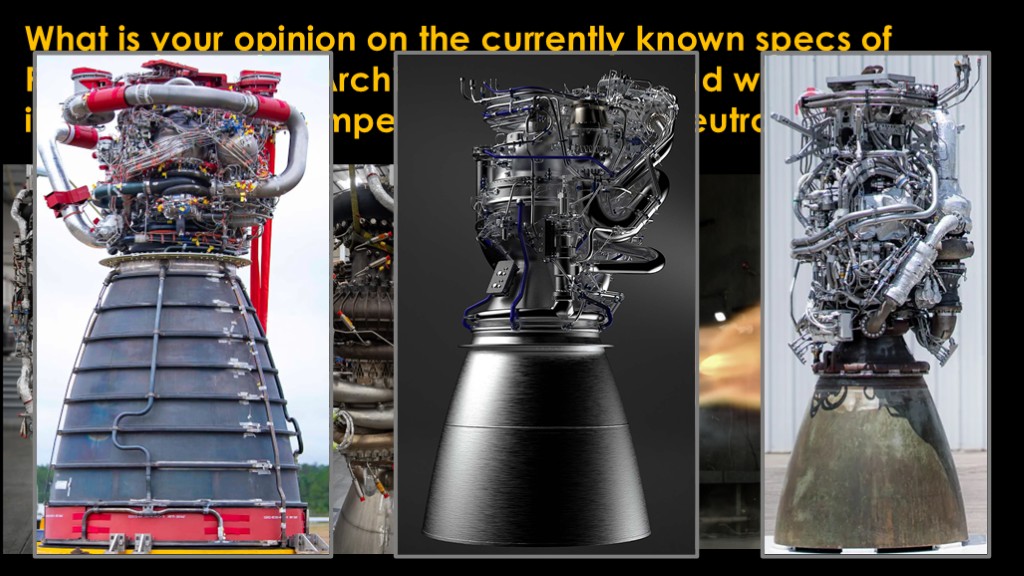
I'm not sure the currently know specs are the actual specs. I do know that one of Rocket Lab's goals is to build a lightly stressed engine, and with their lighter airframe that makes sense. They can always uprate later.
Rocket Lab attracts some extra attention because they are one of the few publicly traded new space companies and they therefore have investors who are less space-savvy and those who want to - or have - shorted the stock and want to see the value go down.
It is true that Archimedes development is taking longer than Rocket Lab hoped it would take. That's rare - most engines stay on schedule - just look at the RS-25, the BE-4, and Raptor.
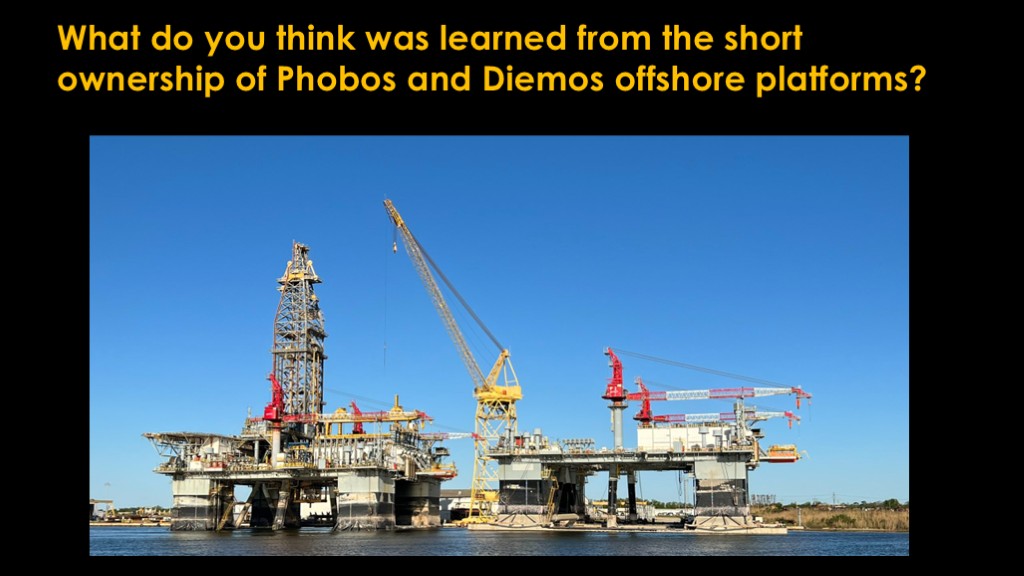
Offshore platforms put you back in the marine assets business. You need a way to get propellants out there if you only launch tanker flights, and payload if you want to launch more. Ships are expensive and you can get delayed all the time.
Maybe when starship is flying all the time they might revisit them, but currently they make little sense. That's why they're building two launch pads in Florida and one in California.
I would say that their ideas there were very premature.
(read)
The only experiences we have with space manufacturing are assembling ISS, and that took a long time and was finicky work.
Doing manufacturing on earth requires a very sophisticated supply chain that is spread across the world. Building real things in orbit requires duplicating enough of that from space materials (lunar or asteroid) to make it cheaper than launching things from earth.
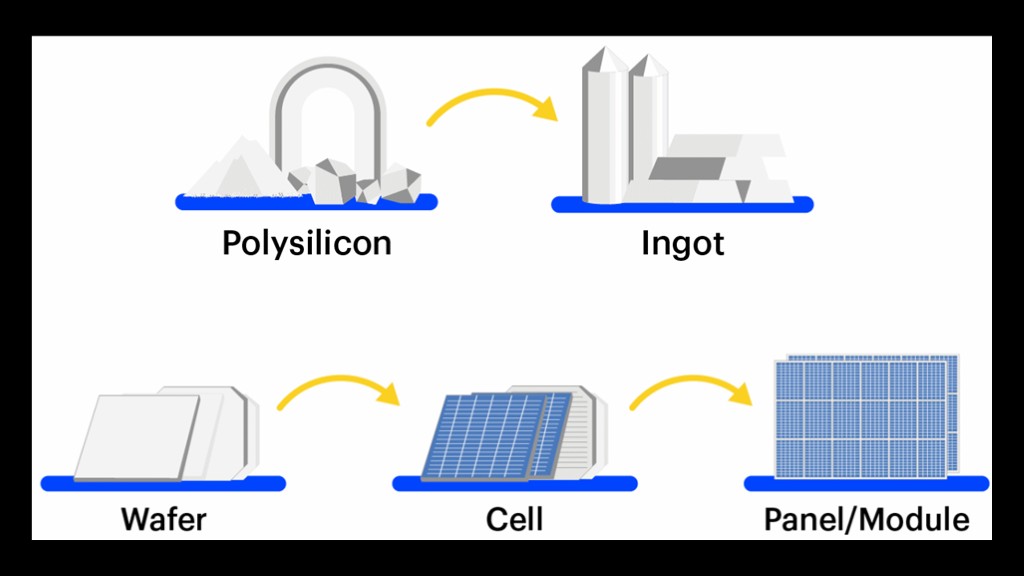
Let's take one example. If we are building solar panels, we need all of these stages.
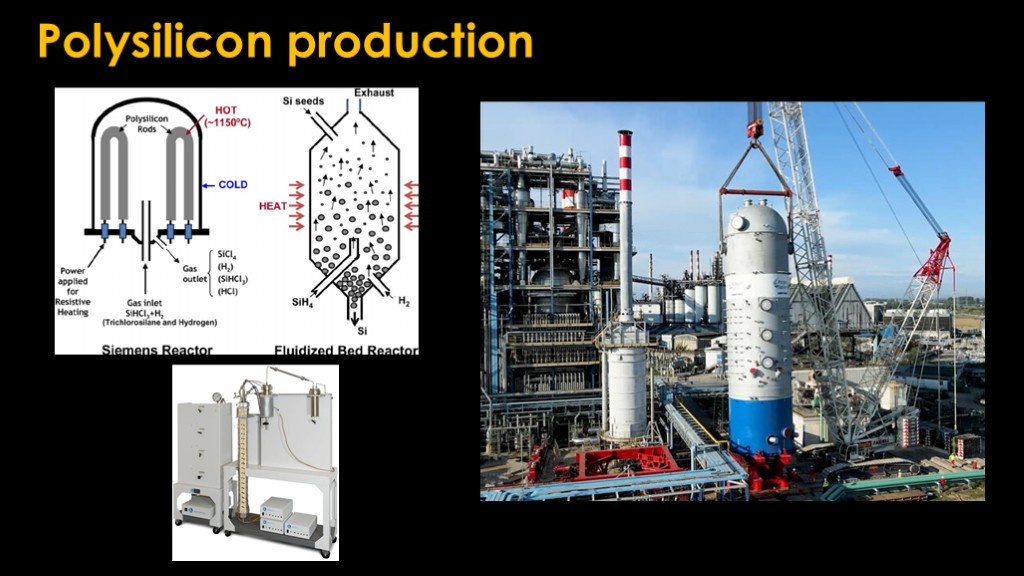
The first step is the production of highly purified silicon, known as polysilicon. You obviously need a silicon rich material supply before you get to this point. On the earth that's fairly easy.
The equipment to produce polysilicon is big industrial equipment and takes lots of power. Some of the approaches require gravity to work. There are small ones but they don't produce a lot of product.
So you need to build that.
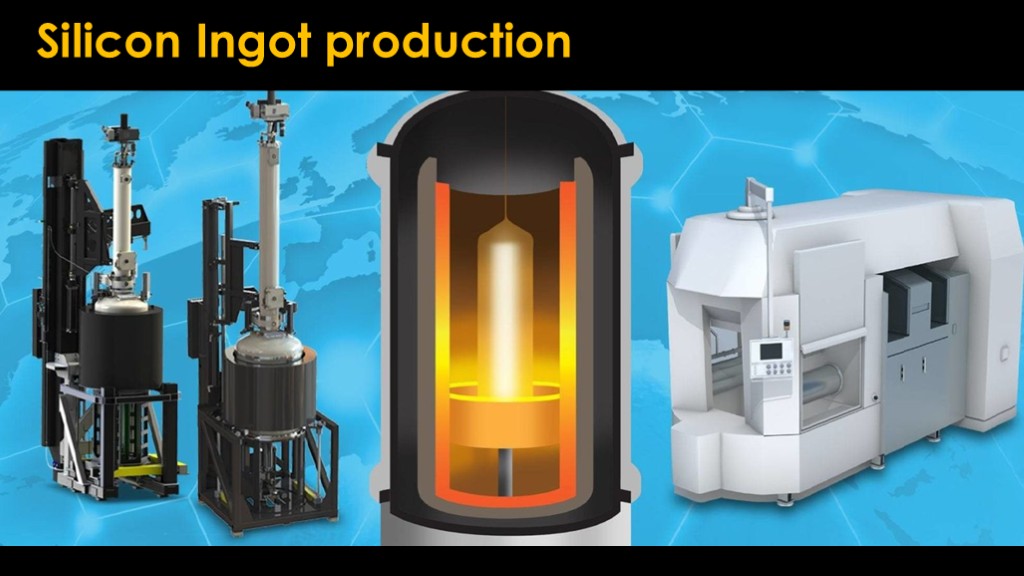
Then you need the equipment to create silicon ingots. It's also big and takes a lot of power.
Microgravity will likely impact how this is done, though experiments have been done on ISS.
You need to do this for the other steps as well.
Everything you want to do is going to require research and development to figure out how to do it, investment to design and build the machinery, launch costs to fly it, and then some way to keep it running.
Also note that if you are depending on microgravity for what you are doing, humans make lousy roommates because we are messy and need to exercise daily while in orbit. That makes keeping things running much more complicated.
(read)
It's that word "feasible" that I'm having an issue with. It is feasible in the sense that there are no laws of physics that prohibit it. Things like oxygen production and volatiles refining might be relatively easy.
But the real question is whether somebody will do them, and that depends on whether there is a market to buy the finished product - can a company build a case to invest the money in developing a specific capability based on the market for their product?
That is a really, really hard nut to crack. If you want to produce liquid oxygen on the moon, you can only vaguely figure out how much it will cost you when you start, and you know that the cost from the earth might go down. Or somebody might manage to harvest volatiles from asteroids and compete with you.
I don't like the economics of commercial space stations and things like this are at least an order of magnitude worse.
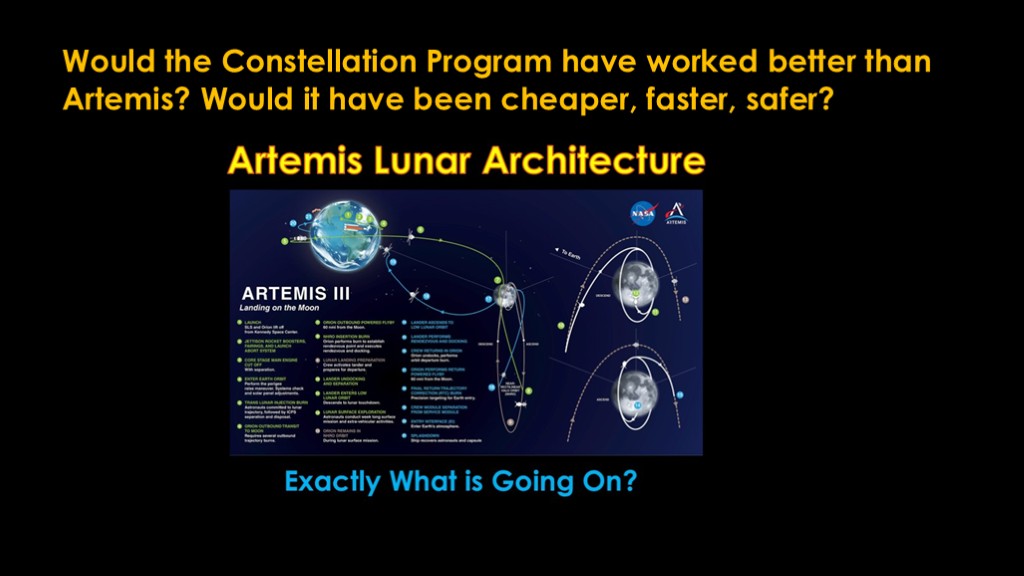
I talk about the differences between the Apollo, Constellation, and Artemis architectures in this video:
https://www.youtube.com/watch?v=O2IBV_XSu60
Constellation has the advantage of being an actual lunar architecture rather than an architecture without a mission that was adapted to maybe work as a lunar architecture.
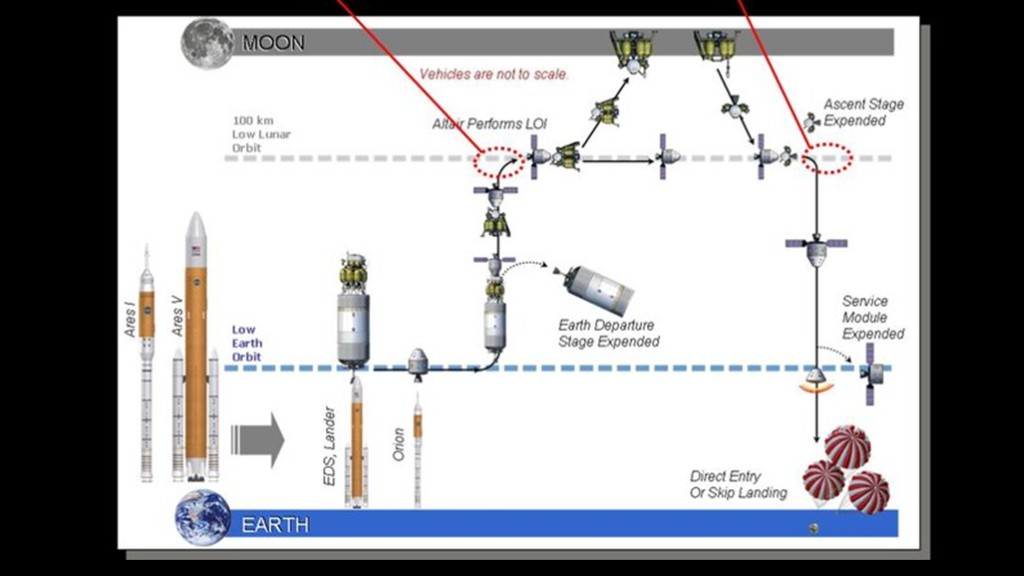
Constellation was a two-vehicle architecture. Ares V launched a big earth departure stage with the Altair lander on it, Orion (with a much bigger service module) was launched on the Ares I, and then they met up in orbit. From that point, it's pretty much like Apollo.
It's a better architecture than Artemis.
The problem is that NASA spent 5 years on constellation and didn't really build anything useful, and with my usual standard being "actual hardware in flight", I'm not super-excited about the prospects. I think we likely would have ended up with something like SLS but just a few years earlier.
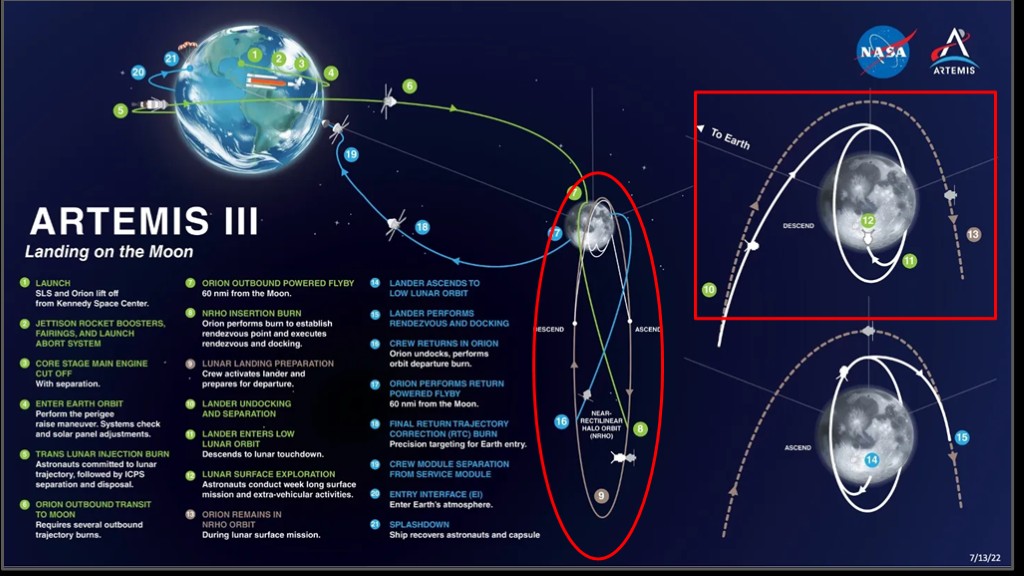
I know it is more complicated due to the NRHO and limited delta V in Orion, but how will that translate to operations and contingencies?
We don't have an artemis III press kit so I need to base things on the NASA diagrams which means some of this is speculative.
The answer is that the nature of the Artemis architecture means abort and return contingencies are limited.
When Orion and SLS reach the moon, they will insert into a very elliptical near rectilinear halo orbit. This orbit takes about 6.5 days.
During descent and landing, I expect that there are some early options to abort and rendezvous back with the orion. Later in the descent, Orion is probably too far away and the option would be to abort to low lunar orbit and wait there until Orion comes back around in another 6 days or so.
Once you are on the lunar surface, you are going to stay there for the whole 6.5 day mission because that's how long Orion isn't reachable.
If you have an issue on the surface, the longest wait before you can get back to Orion would be right after landing, and that would be 6 days, which you can wait out on the surface or in low lunar orbit.
Once you get back on Orion my reading of the diagram says you have a half orbit before you can do your return to earth burn, then you have to get back near the moon and then you have 3 days back to earth.
Worst case, I'm thinking it's maybe 14 days from when you want to come back and when you get back. Best case, probably around a week from lunar surface to splashdown.
Orion limitations mean that NASA is stuck using NRHO and its limitations. It bothers me that they pretend that there are significant advantages of NRHO. It is better for a space station but gateway is already a bad idea.
For sake of comparison, a return from the ISS is between 6 and 30 hours. Apollo went from the lunar surface to splashdown in 3 days.
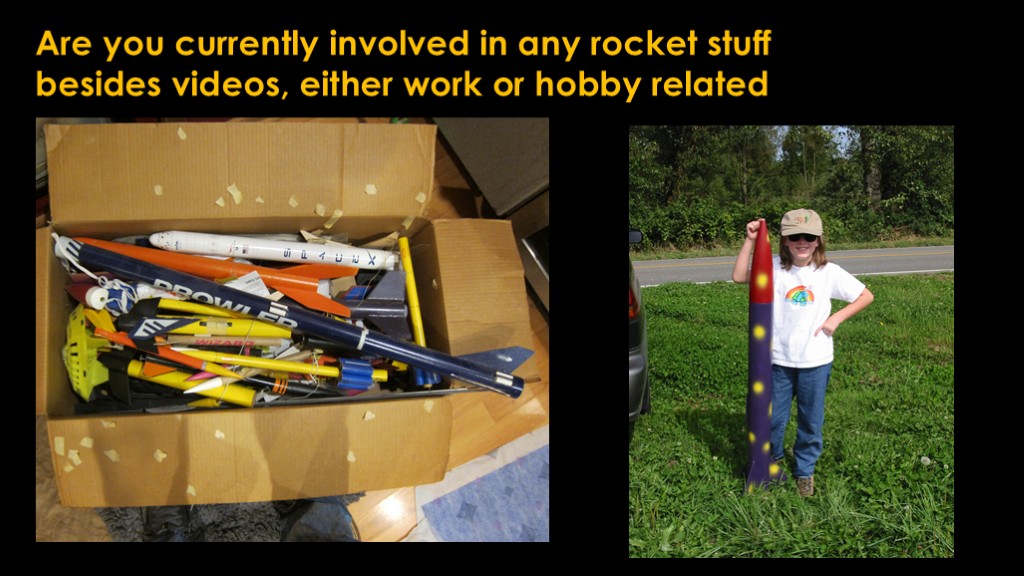
I dug out my rocket box for you. That has most of my model rockets; the ones on top are ones that got donated to me. I ran a two-week rocket design / build / fly class at a school my wife used to teach at, and then I ran a similar class for my team at work and for a bunch of C# influencers during C# summer camp. That was probably in 2003. The simple rockets at the top of the box were extras that people didn't want after one of those events.
I have a toolbox with all my range equipment and a bunch of extra motors, and I should find a good time to go and use them up. Or maybe donate them.
I made a brief foray into High Power - this is my daughter with my Level 1 certification rocket, spot. It's a heavily overbuilt LOC IV that I was considering uprating to a level 2 rocket, which is much more series.
At that point I could fly on a 5000' waiver from a site 20 miles from my house, and that was nice.
Then we lost that site, and closest site is now 210 miles from my house. I like big rockets but that's more time investment than I'm willing to make, so Spot has been resting in a closet for a couple of decades.
I have that on my list of topics and I hope to get around to it at some point.
Yes, I chose to answer this question just to make that joke.
Two part answer...
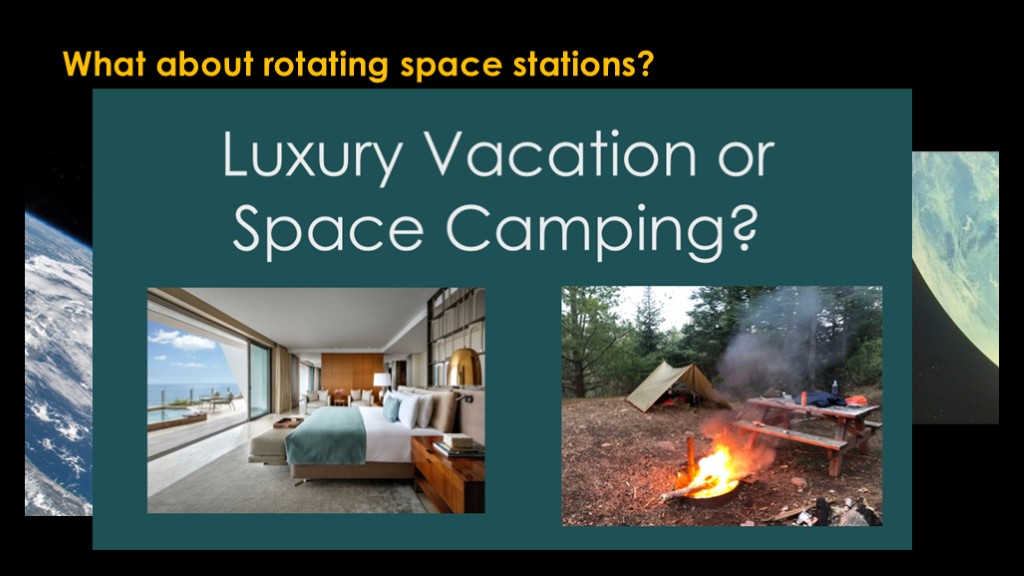
The first is that if you are doing manufacturing in space, you don't want humans around as we are messy and move around too much. The reason to do it in space would be true microgravity, and that probably means you want a free flyer rather than a space station.
If you want to build one for humans, it needs to be big enough so that the rotation doesn't mess up people's equilibrium, and that's means it's pretty big. I have "70 meters" stuck in my head but it's been years since I last read the papers on this.
You could do it as a space hotel, but I think many people have overestimated how much fun it would be to spend a week in orbit even with artificial gravity.
There is of course a video on that.
And that's all for this series of topics.

That's all for this video.
Today's song of the day is Crystal Ball by Styx, from their 1976 album of the same name. I believe this is my all time favorite Styx song